Beijing is one of the easiest cities for a foreigner to visit. It might be scary to travel into a country with such a different language and where only a few can speak English, but if you stay within the biggest cities you’ll be able to move around with the help of your phone. If you use the subway you’ll find there are english signs and with “ping yin” for the names (so you can read them in our alphabet), also the ticket machines allow you to change the language and you’ll be safe using a cab application like didi. About the touristic attractions, most of them will have someone that can understand the basics in English and are willing to help you.
There are so many cultural places to visit while being in Beijing, some are really easy to get to using the subway and some other are a little further away and require to get train tickets, a bus or a taxi/didi. My recommendation is to settle when you arrive, and maybe also do close trips the second day, then go ahead and visit the places that are further away. Why? because that way you’ll get familiar with how the subway works, usual commute times, peak hours, location of train and bus stations and you’ll be able to buy the tickets of the places you want to visit before hand which is cheaper and easier, if you buy ticket at the place you are visiting you’ll have to use cash and there is a risk that you won’t get access that same day.
Choosing a place to stay near the subway is your best bet and will make your stay much more easier, I consider that somewhere near Tiananmen East subway station was one of my wisest decisions. You’ll be within walking distance to several attractions like Forbidden City, Tiananmen, National Museum, Wangfujing street and only a few subway stations away from the Capital museum, Silk Market and Tiantan (The temple of heaven). I really recommend the following places.
Wangfujing street

This is probably one of the most known pedestrian street.On the first day I chose to walk through Wangfujing street, there used to be a snack street here but I found it to be closed so don’t bother looking for it I’ll recommend another one. This is a large commercial pedestrian street with lots of shopping malls, some restaurants, a little bit of a tourist trap, but it won’t take you too much time to check it out and you can find a good meal nearby.
Tian an men Square
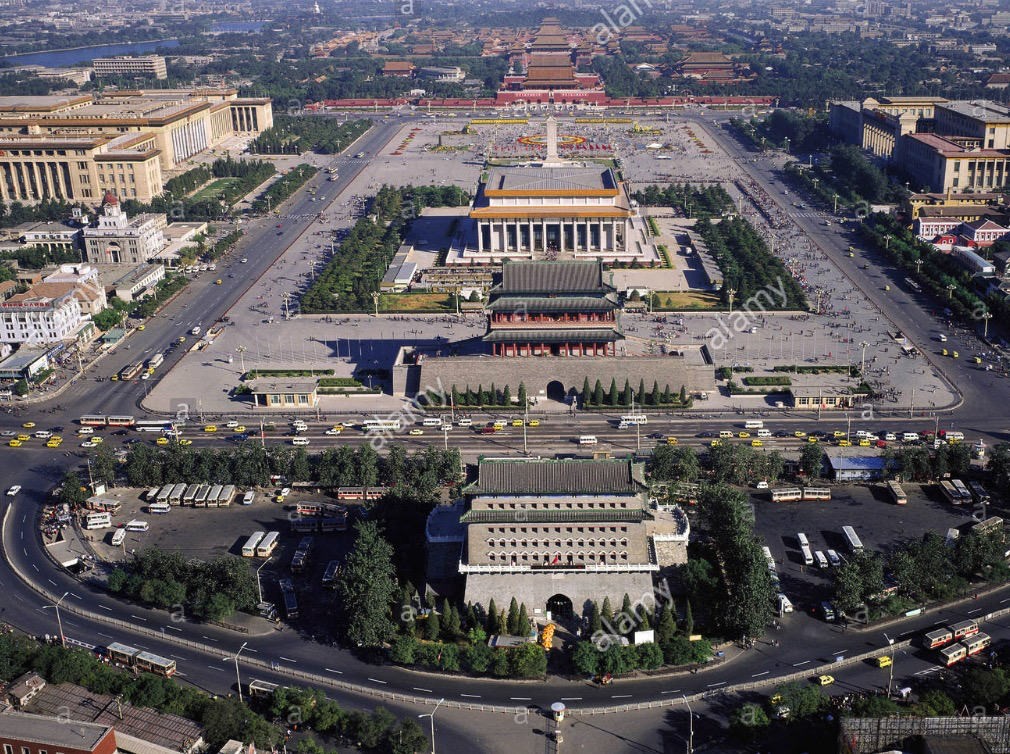
Right next to the National museum, this is the largest city square in the world and also known for an incident that China would prefer to forget. People usually like to watch the flag rise in the morning or the lowering in the afternoon (check schedules here). It is also right in front of the entrance to the Forbidden city.
Forbidden City
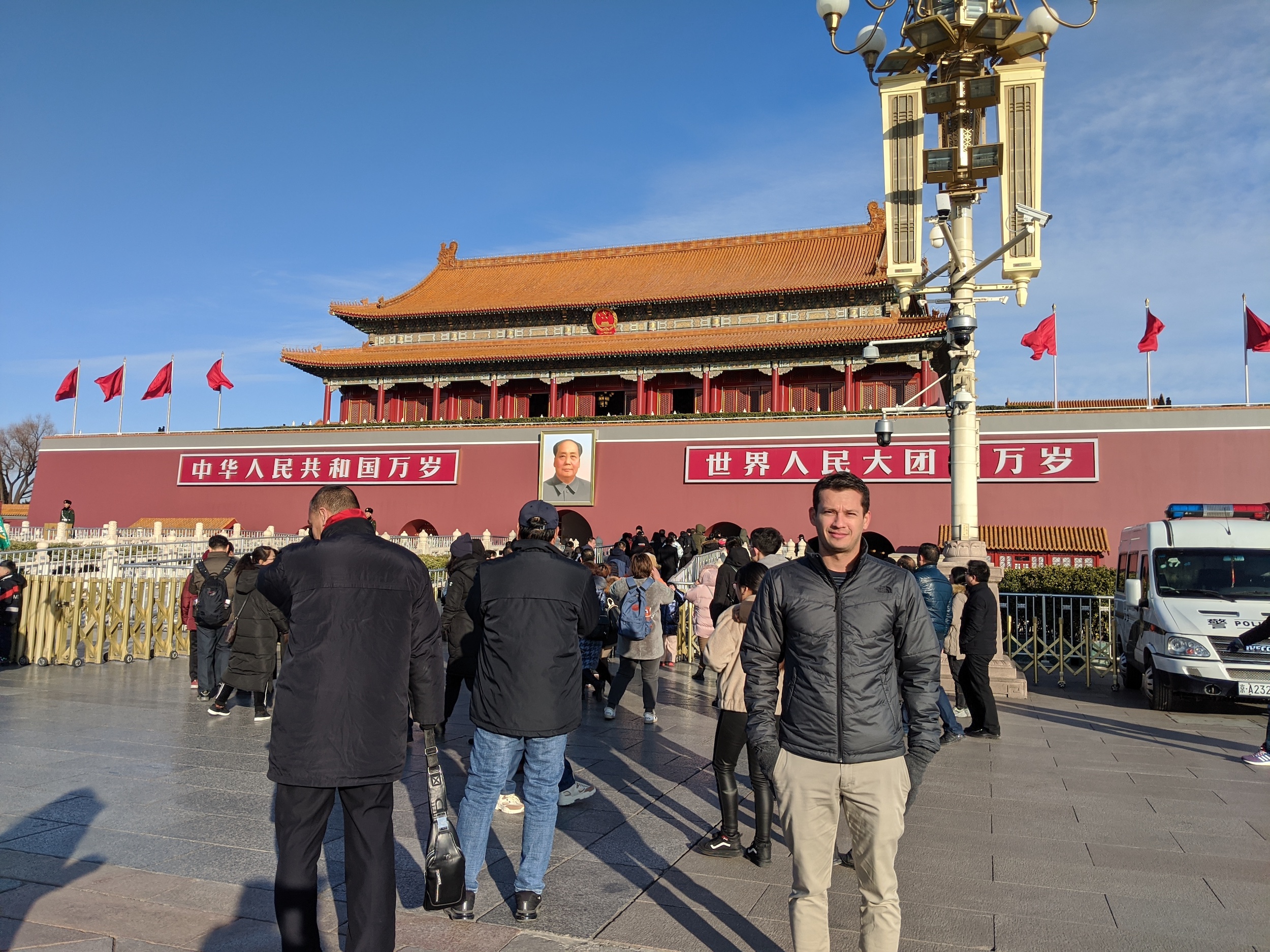
You’ll have to buy a ticket at the entrance and your passport is required. This was the Emperor home and no one was allowed to enter unless they worked in there, so you can check several buildings which were special for different emperor activities, for the empress and the royal garden on the back. It is a really big place and you can spend as much as you want here, although you can’t get inside the buildings. I do recommend you get the mobile guide in your native language so you do understand what was going on every place. As a great closing activity I went to try the peking duck nearby the forbidden city to a restaurant located at the East entrance of the Forbidden City on Donghuamen street. Although duck is quite greasy most places will serve you the best cuts with meat and skin (taking off the extra fat). Also the traditional way to eat it is with thin steamed pancakes called “chūnbîng” so that you can make burrito like servings with green onions, cucumber and sweet bean hoisin sauce, don’t overload it, the duck is very tasty and you don’t want to disguise it’s flavor.
JingShan Park
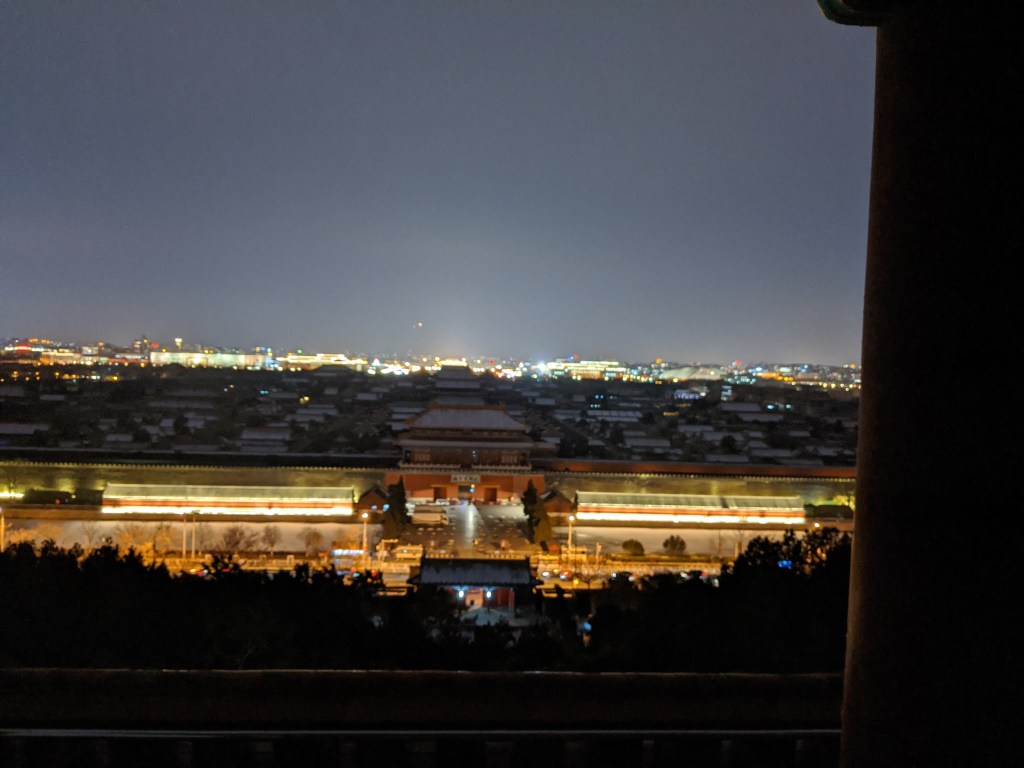
This park has a great view of the Forbidden city and Beijing from the center top hill, I’ll recommend to check it out at night as well although it is not well illuminated, still you get to see the skyline and might even catch some locals dancing at the park entrance. It is located on the north end of the Forbidden city, entrance fee is cheap. Right next is the Beihai park which you should check if you got time.
Capital museum and National museum
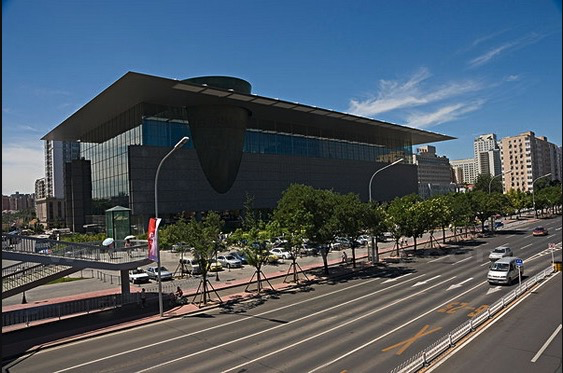
Both are easy to go to using the subway and share some of the objects on exposition, but they have a lot more differences for you to choose if you want to visit just one or the two of them. I went to both of them, but only had enough time to finish looking at the Capital Museum. The Capital Museum has a great looking contemporary architecture, themed expositions that try make you feel the ambience of the past and is way smaller compared to the National Museum, you may go through it in about 2 hours, while it is a few subway stations away you’ll be back pretty fast.

On the other hand the National Museum is right next to Tiananmen square and in 3 hours I wasn’t able to finish one third of it. This museum is huge and the amount of pieces and variety of exhibitions is impressive, so much that some times you’ll feel like you already saw a lot of one section and try to make it faster, still it has got a lot of really fine and unique sculptures from centuries ago. I remember one interesting section that showed all the gifts given to China from other countries around the world, besides the great collection of objects used in china through their pretty long history.
I used to be not much of a fan for visiting museums, but the National one was one of a kind and I wished I could have seen more, it really made an impression on me. Although, I do appreciate the architecture and simplicity from the Capital museum for showing history in a different way.
Temple of heaven, Tiantan
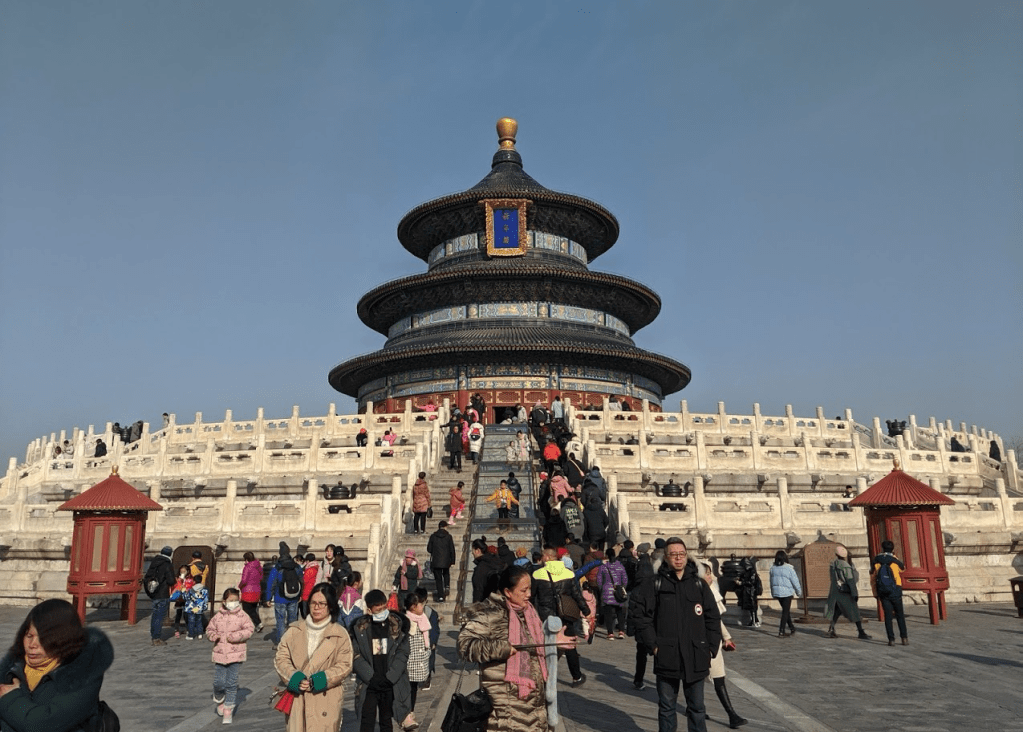
I almost missed this one and it is one of the world heritage sites. It is a big monument building to honor religious activities. The one you see is the principal attraction, but the complex is big. Personally I focused on the main building and I felt it was enough for me, specially since I was a bit short in time. I spent not more than 40 minutes as you have a walk for a bit, but if really interested it can take you around 2 hours. It is only 20 minutes away from the forbidden city taking the subway. Take line 1 east until dongdan and switch to line 5 going south until tiantandongmen to enter the east gate. Later I realized the south section is really big and also has another important building, make sure not to miss it like me.
Silk market

This is a really famous place for shopping, you’ll find lots of stores for everything at cheaper rates if you are up to the task while you bargain. It can become time consuming and exhausting, but might as well be fun. There is a fake for every brand, probably even fakes for fake brands, but you can also find good quality here. I did get a tailor made suit of great quality for so much less money than you would find anywhere else. There is a food court in there and some restaurant, just nothing out of ordinary.
The Great Wall (Wànlǐ chángchéng) at Gubei

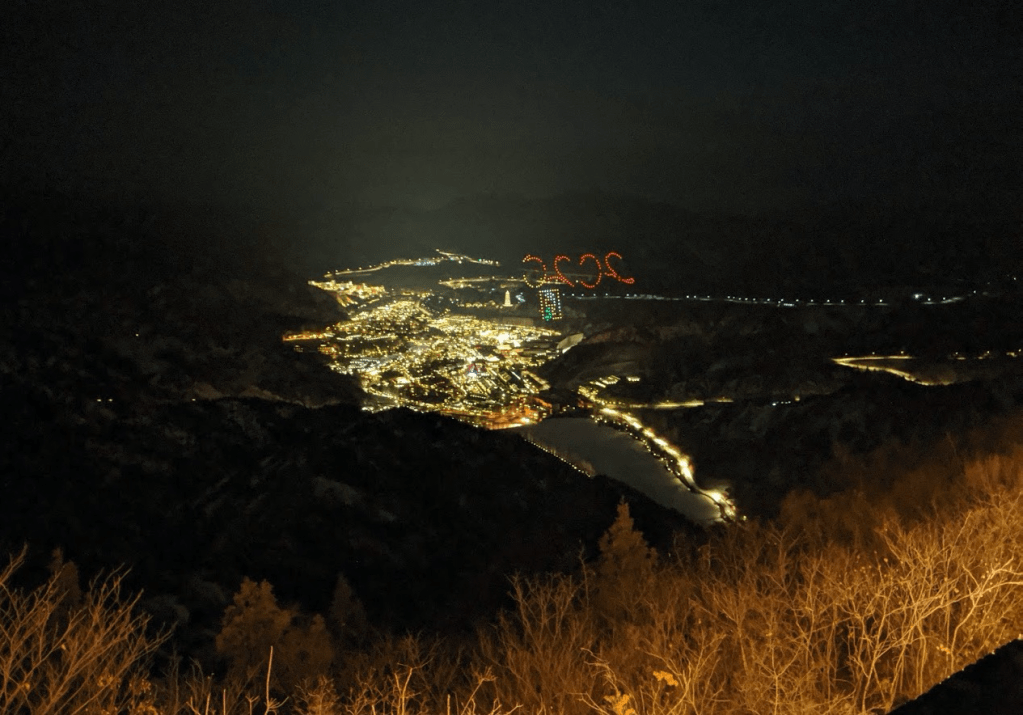
This could probably be the most important place to visit while being at Beijing. There are also several sections you can visit and just a plan to visit the Great Wall could take an entire post. I was lucky enough to be recommended to visit Gubei section and I’ll definitely recommend it as well. Not only you have a really easy access to the wall using a cable car, but you also can spend a whole day going through the water town which has several shows, opera, restaurants, street food, games and hotels. The whole town is like a museum of how the northerners lived years ago, there is a really nice light show at night and best of all you can watch it from the great wall with a fantastic aerial night view. This is a rebuilt water town, with a nice lake and river that crosses the middle of the town where you can even take boat rides depending on the season. I visited on winter so the river was frozen and all boats parked. You may find some good info to choose which section to visit here . Gubei takes a few hours to get 120km out of Beijing, catching a cab there is not crazy expensive (you have to bargain!) if you don’t want to get up super early to ride the few buses that will get you there near Dongzhimen subway station.
Getting around Tips
You’ll need some essential tools to move around so that you don’t have a bad time while moving between attractions. Here is a list of what will help you spend more time enjoying instead of messing with transportation.
Yiketong
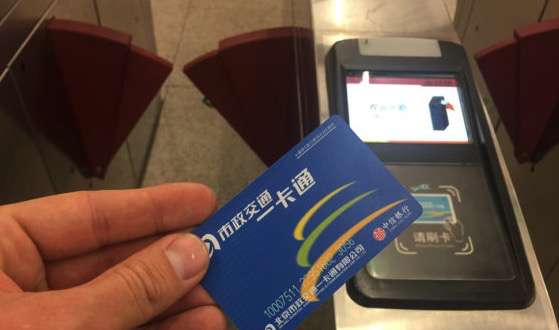
This is the best way you can use the subway, although it is possible to use an app to pay for it, being a tourist it is difficult to get those working properly. When riding from the airport to the city center you buy a card for using that line, that you will have to return in order to pass the barriers, just feed it in as a debit card into the control bars to get through.
At dongzhimen station find an officer or head to the help stand asking for an yikatong, they will gladly sell you the card with whatever amount of money you want to charge it. Rides cost as low as 2¥ minimum and you’ll be charged when leaving the subway depending on how long you rode, so plan accordingly depending on how frequently you’ll use it. I used it several times every day. This one only works in Beijing as of the time I’m writing this post, and you may return it at the main stations only if you want your 20¥ deposit back.
Sim card and Smartphone
I consider this a must along with an smartphone. Although you may use cash in China it is no longer a very used way of paying for stuff, instead they would scan a QR code that will withdraw your verified amount from a digital wallet either using Wechat or Alipay apps. This is the easiest way to buy anything and you should configure your Alipay Pass as a foreigner (limited to 5000¥) unless you want to keep withdrawing cash, since they won’t take credit cards nearly anywhere nowadays. Your wallet may charge every transaction from your credit card or you can choose to top up your wallet with the amount that you prefer, fees keep changing through time.
Until today (Nov 2020), you are not allowed to have wechat wallets linked to foreign cards, only to Chinese cards which would need your passport and a valid student/resident visa.
So in order to get a sim card go to a carrier store, it has to be the official store as they will ask for your passport in order to give you a sim card. Since I’m from Costa Rica I chose China Unicom since that is the best compatibility for my phone frequencies. You should check this depending on your country, international phones will work better with China Unicom as well. Not sure why, but you cannot send SMS messages otherwise you will get blocked and that’s the last thing you want.
Transportation Apps
I was easily oriented with a map, but you still could use help finding which buses or subway lines to use with estimated times. Therefore I recommend installing the following apps.
- Didi – uber like ride sharing
- Moovit – transportation planning with eta
- Google Maps
- Any VPN app – if you are using google you’ll need it to override the firewall
- Alipay – pay for your stuff
- Beijing Metro app – choose where to get in and out without internet
I hope you enjoy your trip at Beijing, four days were not enough but you will get a good idea of how it works out over there. Please go ahead and leave any comments and suggestions.

 Luis Castro's Blogs